
 See Our Latest Article on HelloNation

How Does Chiropractic Care Help Prevent Sports Injuries?
Chiropractic care helps reduce the risk of sports injuries by improving joint function, flexibility, and overall body mechanics. Many residents in Shawangunk participate in recreational activities like hiking, youth sports, and seasonal team play—each with unique physical demands. Proper spinal alignment and muscle balance allow athletes and active individuals to move efficiently, which lowers the risk of strains, sprains, and repetitive stress injuries.
Regular check-ins with a chiropractor can reveal minor mobility problems before they turn into more stubborn injuries. Adjustments and recommended exercises support healthy movement patterns, making it easier to keep up with local activities without interruption.
What Types of Athletic Injuries Are Most Common Locally?
Muscle strains, sprained ankles, and shoulder issues are among the most common injuries for both youth and adult athletes in this region. Shawangunk’s varied terrain—with trails, fields, and courts—means that slips, falls, and overuse injuries are frequent, especially when footwear, warm-ups, or technique are not ideal.
Chiropractic care emphasizes prevention by promoting balance in the body’s musculoskeletal system. Addressing imbalances that result from walking trails, running on uneven ground, or playing field sports helps keep joints and muscles more resilient throughout all seasons.
Can Chiropractic Adjustments Really Reduce Injury Risk?
Yes—research indicates that consistent chiropractic adjustments can improve range of motion, balance, and proprioception, which are all crucial for injury prevention. For someone training for community sports or enjoying weekend recreation, spinal adjustments may help with the following:
- Decreased muscle tension, making strains less likely
- Greater joint mobility, supporting quick changes in direction
- Improved posture—reducing repetitive stress on knees, hips, and back
Case examples in the area include athletes who noticed less recurring pain and quicker recovery when chiropractic care was integrated into their routines.
What Preventive Strategies Do Chiropractors Use for Sports Participants?
A chiropractor typically individualizes prevention advice based on physical condition, sport, and age. Practical strategies might include:
- Movement assessments to identify areas of stiffness or weakness
- Education about warm-up routines tailored to the local climate—such as longer warm-ups during chilly or damp spring mornings
- Guidance on stretching techniques specific to the playing surface, whether a grassy field or rocky trail
- Ergonomic tips for local athletes involved in sports with repetitive upper body motion, such as tennis or throwing
A preventive plan often involves home exercises and postural advice, allowing athletes to be proactive even outside the office.
What’s the Role of Flexibility and Core Strength in Staying Injury-Free?
Flexibility and core strength serve as key defenses against common sports injuries. In a region like Shawangunk, where activities range from swimming in lakes to participating in organized team sports, the ability to move freely and control movement is vital.
Chiropractors often recommend routines that:
- Focus on strengthening the deep abdominal and back muscles
- Include dynamic stretches that prepare muscles for the specific movements of a sport or activity
- Address asymmetries from side-dominant sports or tasks (such as always carrying gear on one side)
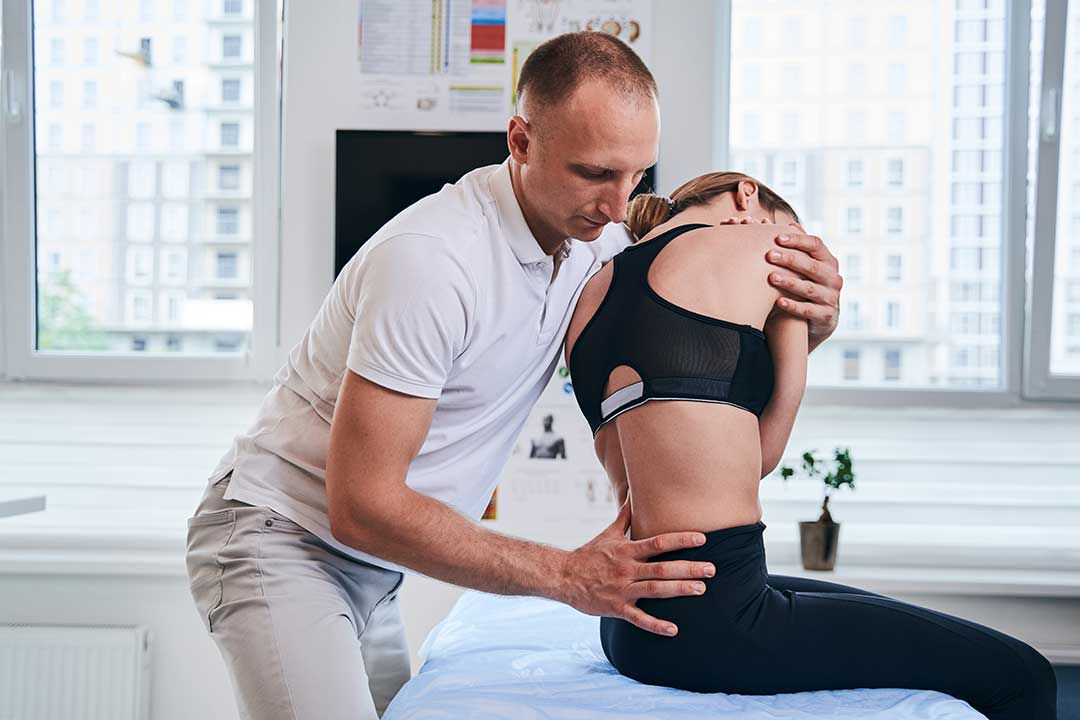
Emphasizing these areas can help local residents maintain activity levels comfortably and with less risk.
Are There Misconceptions About Chiropractic and Sports Injury Prevention?
Some believe chiropractic care is only for back pain or treating injuries after they occur. However, many athletes and physically active people use it proactively to stay healthy rather than just for symptom relief.
Another misconception is that adjustments alone prevent injuries. While helpful, most providers recommend a comprehensive approach—including mobility work, conditioning, and rest tailored to community activity patterns and seasonal changes.
How Do Local Factors Influence Injury Risk and Prevention?
Shawangunk’s climate, seasonal weather changes, and outdoor lifestyle all influence injury risk. Slip risks increase in wet or icy months, while dehydration and muscle fatigue can be issues during hot, humid days. Several factors are common in the area:
- Uneven natural surfaces leading to ankle and knee injuries
- Regular transitions between indoor and outdoor sports depending on the season
- Varying intensity of activities, from gardening or yardwork to participating in town leagues
Awareness of these local conditions allows chiropractors to provide specific advice and adjustments, which may involve recommending different types of warm-ups or recovery stretches based on the season or sport.
What Should Residents Know Before Adding Chiropractic to Their Prevention Plan?
While chiropractic care can be a valuable tool for prevention, it works best as part of an overall wellness plan. Local area households benefit most when blending chiropractic advice with good nutrition, proper equipment, adequate hydration, and appropriate rest periods. Open communication with all health professionals involved in an athlete's care—especially for children, teens, or those with complex medical histories—is essential for safe participation in area activities.
