
 See Our Latest Article on HelloNation

As families in Shawangunk, NY balance the busy back-to-school rush with the county’s beautiful outdoor lifestyle, it’s easy to overlook one essential aspect of children’s health—proper ergonomics. Whether your child is hunched over a Chromebook during remote lessons, tackling homework at the kitchen table, or even carrying backpacks along Shawangunk’s scenic walking trails, mindful ergonomic habits can make a big difference in their comfort, development, and long-term well-being.
Understanding Ergonomics for Kids
Ergonomics refers to the science of designing and arranging things people use so they interact with them most efficiently and safely. For growing students, correct ergonomic practices can help prevent musculoskeletal discomfort, posture problems, and even chronic pain. This is especially important as remote learning and screen time increase, and as children carry backpacks to local parks, libraries, or after-school activities common around Shawangunk.
Common Ergonomic Mistakes Among Students
While the academic space might look different for each Shawangunk family, some common issues frequently arise:
- Slouching on beds, couches, or floors while using laptops or tablets
- Using adult-sized chairs or desks that don’t fit their body size
- Wearing overstuffed or improperly adjusted backpacks
- Sitting for extended periods without moving or stretching
Identifying these habits early can help parents in Shawangunk create healthier learning environments both inside and outside the home.
Setting Up a Child-Friendly Study Space
1. Choose the Right Chair and Desk
Finding child-sized furniture can greatly improve posture and focus. The chair should allow your child’s feet to rest flat on the floor with knees at a 90-degree angle. If your table is too high, add a seat cushion or footrest for support. The desk height should allow elbows to rest comfortably at a 90-degree angle when using the keyboard.
2. Optimize Lighting
Natural sunlight streaming in from a window can boost mood and prevent eye strain, which is especially pleasant in homes around Shawangunk where mountain and valley views are common. If natural light isn’t available, make sure there’s ample overhead lighting and a desk lamp for late-night studying.
3. Position Screens Properly
The top of the monitor should be at or just below eye level, about an arm’s length away. Tablets should be propped up, not flat on the desk, to prevent bending forward or looking down for extended periods.
Backpack Safety for Shawangunk’s Active Kids
With abundant hiking trails and community events, Shawangunk’s children are often on the go. A few backpack safety rules can help protect their growing spines:
- Choose backpacks with wide, padded shoulder straps and a padded back.
- Adjust both straps so the backpack sits high and snug on the back—never slung over one shoulder.
- The loaded backpack should weigh no more than 10-15% of the child’s body weight.
- Pack heavier items closest to the back and use individual compartments for better weight distribution.
Encouraging kids to carry only what they need and use lockers or cubbies at local schools, libraries, or community centers can lighten their load. If heading out for field trips to places like Shawangunk Ridge, remind them to keep their essentials minimal for comfort.
Encouraging Movement and Breaks
Prolonged sitting, even with perfect posture, is hard on the body. Encourage students to:
- Take a 5-minute break every 30-60 minutes
- Stretch arms, legs, and back regularly
- Stand up to complete certain tasks, like phone calls or reading, if possible
Consider integrating after-school physical activities, such as walking the Wallkill Valley Rail Trail, biking, or enjoying playgrounds at local parks to help counterbalance hours spent at a desk.
Ergonomics for Homework on the Go
Busy Shawangunk families often find kids doing homework in the car, at sports fields, or during community events. If your child needs to work on the go:
- Use portable lap desks or clipboards to create a firm writing surface
- Encourage sitting with feet flat on the ground and hips/knees at ninety degrees, even in the car
- Carry a compact, lightweight cushion to provide support or elevate shorter children as needed
Screen Time and Eye Strain
The pandemic and technology boom have increased children’s screen time everywhere, including here in Shawangunk. Prevent digital eye strain by following the 20-20-20 rule: for every 20 minutes of screen time, look at something 20 feet away for at least 20 seconds. Remind kids to blink often and adjust screen brightness to comfortable levels.
When to Seek Professional Help
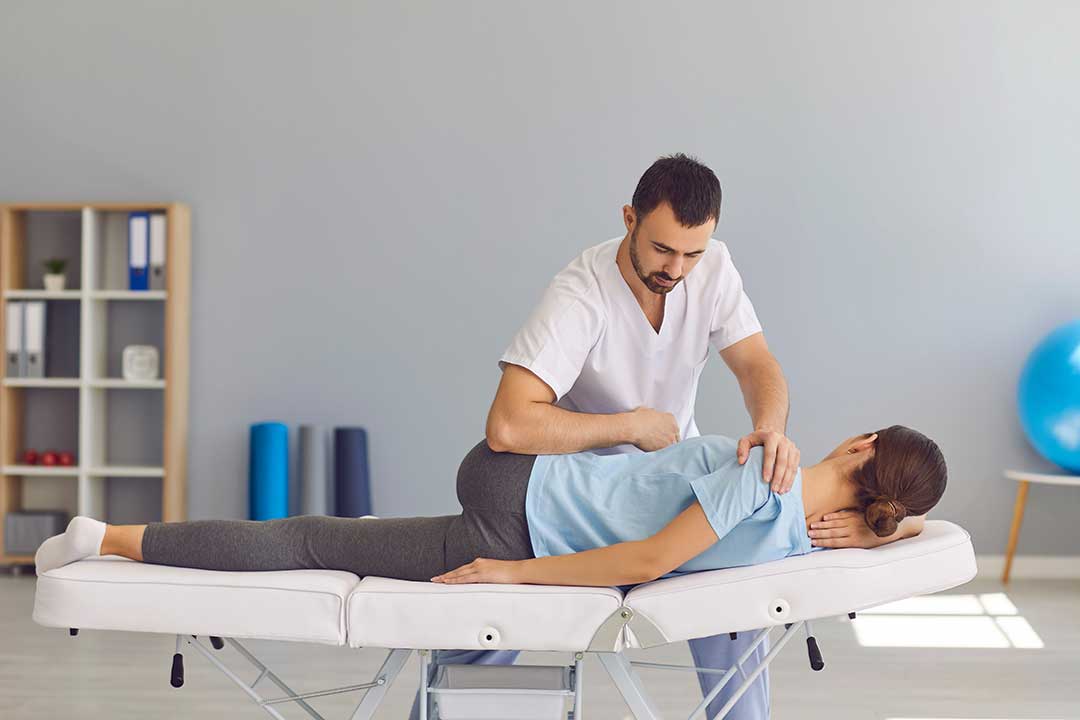
If your child frequently complains of headaches, neck or back pain, numbness, or tingling, don’t hesitate to consult a healthcare professional such as a chiropractor. Regular checkups can identify posture-related issues before they become long-term problems—especially for active children involved in sports or carrying heavy backpacks around the Shawangunk area.
Helping Kids Build Lifelong Habits
Teaching your children the basics of ergonomics not only helps them feel better today, but also sets them up for lifelong health and academic success. By making small, thoughtful changes to your child’s study habits and environment, you give them the tools to thrive at school and enjoy all the outdoor adventures Shawangunk has to offer with confidence and strength.
Promoting good habits as a family and leading by example can reinforce these lessons. Take a moment this week to check in on your children’s workspaces, backpack routines, and screen habits—your future self will thank you!
