
 See Our Latest Article on HelloNation
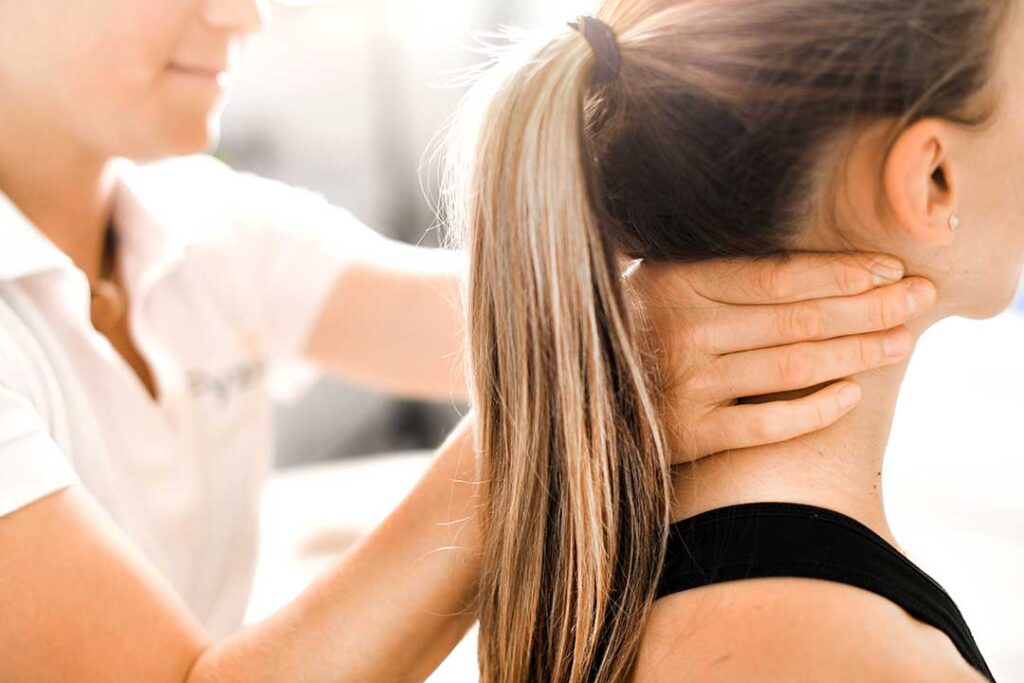
Why Does Back Pain Happen During Pregnancy?
Back pain is a common experience for people who are pregnant, especially as the body changes to support the growing baby. Most often, discomfort shows up in the lower back, hips, or pelvis. This happens as extra weight shifts how you carry yourself, and hormones loosen ligaments around the spine and pelvis. Residents in Shawangunk, NY may also notice symptoms increase during colder months or after shoveling snow, since these physical activities add strain.
Are There Simple Habits That Make a Difference?
Yes—many daily habits can offer relief or help prevent pain from worsening. Pregnancy is a time to be thoughtful about movement and posture:
- Take care when lifting: Always bend at the knees and avoid sudden twisting.
- Use supportive footwear: Shoes with good grip and arch support reduce joint stress.
- Prioritize posture: Try to sit up straight with shoulders back and feet flat on the floor. Sitting for long stretches? Use a small cushion behind your lower back for added support.
- Adjust chores: Avoid repetitive motions and heavy lifting, especially during icy or slippery periods typical for Shawangunk winters.
- Pace yourself: Break household tasks into smaller blocks to prevent overexertion.
Is Exercise Safe for Back Pain During Pregnancy?
Gentle activity is safe—and often beneficial—unless a healthcare provider suggests otherwise. Low-impact movement helps keep the body flexible and can reduce stiffness. Residents in the community often find these options manageable:
- Walking on even ground, especially during mild weather
- Swimming or aquatic exercise at local pools (water reduces the pull of gravity, easing pressure)
- Prenatal yoga or stretching routines focused on the hips, lower back, and legs
Always check with a healthcare provider before starting anything new, especially if symptoms are severe or accompanied by other issues, like cramping or bleeding.
How Can Sleeping Arrangements Help?
Better sleep positions are practical for minimizing discomfort overnight. A common tip is to sleep on the side, with knees bent. Placing a pillow between the legs, or a full-length body pillow, can prevent hips and spine from twisting. Some in Shawangunk use an extra firm mattress pad or wedge for extra support under the belly or lower back.
What Are Safe Ways to Manage Pain in Everyday Life?
Applying heat or cold can soothe sore muscles, but moderation is key. Use a warm (not hot) heating pad or warm towel on the lower back, no longer than 20 minutes at a time. Alternatively, a cold pack wrapped in a towel can reduce swelling. Avoid applying heat directly to the belly.
Gentle self-massage or having a partner gently rub the lower back may also relax muscles. Over-the-counter creams or medicines should only be used if approved by a provider.
Should Posture Supports or Braces Be Used?
Some area residents find maternity support belts or braces helpful. These can ease the load on the lower back and abdomen, particularly in the third trimester. Support straps should fit snugly but not restrict movement or blood flow. These products work best combined with other strategies—using them alone often isn’t enough.
Is Stretching Helpful, and Which Stretches Are Safe?
Stretching can release tension and improve range of motion. Safe examples include:
- Cat-cow: On hands and knees, gently arch and round the back
- Pelvic tilts: Lying on the back with knees bent, tilt the pelvis forward and back
- Gentle hip flexor stretches: Kneel on one knee, then gently lean forward
Move slowly, and avoid any position that causes pain or strain. If unsure, local prenatal exercise groups sometimes offer safe routines.
Are There Myths or Mistakes to Avoid?
Several misconceptions can cause problems for pregnant people experiencing back pain:
- “All back pain is normal and should be ignored.” While mild aches are common, severe, sudden, or persistent pain should be reported to a medical provider.
- “Bed rest is the best solution.” Prolonged inactivity often makes pain worse by causing muscles to weaken.
- “Lifting is always harmful.” Light lifting, if done carefully, is generally safe. The key is technique and listening to the body.
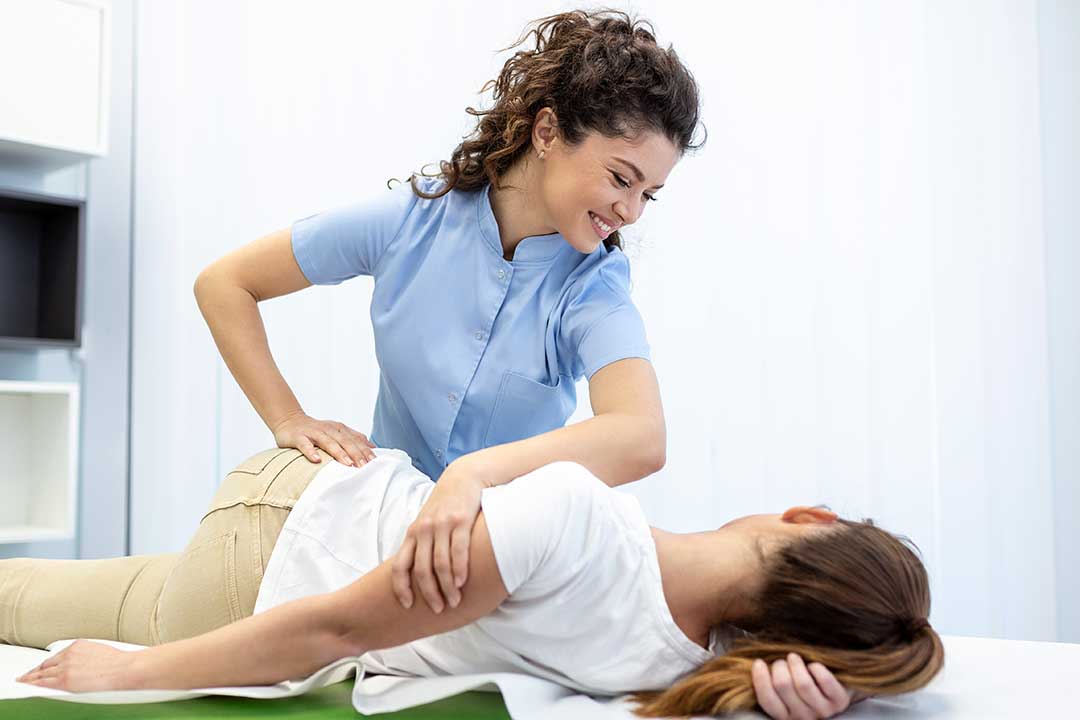
- “Any type of massage is safe.” Deep tissue massage or pressure on specific points should be avoided unless the therapist is trained in prenatal care.
When Should Residents Consider Medical Advice?
Sometimes back pain signals something more serious. Seek guidance if:
- Pain is severe or sudden and does not improve with rest
- Pain radiates down one or both legs, or is accompanied by numbness
- There is difficulty walking, fever, or unusual swelling
- Cramps, vaginal bleeding, or fluid leakage occur
Quick communication with a healthcare provider is especially important for these situations, even if they seem unrelated to back pain.
What Approaches Are Unique for the Shawangunk Area?
Because of the city’s seasonal climate and variety of housing layouts, certain practical tips are especially relevant:
- During icy or muddy weather, take extra care with outdoor errands—use handrails and plan routes to minimize time on uneven ground.
- Rural homes in Shawangunk might mean longer walks to the car or more time spent on garden or yard tasks; delegate these chores during late pregnancy to avoid unnecessary strain.
- Residents who use wood stoves or fireplaces should be mindful of twisting and lifting when carrying firewood—lift with the legs and keep loads small.
Each pregnancy is different, but small, thoughtful changes can provide ongoing relief and support a healthier journey.
