
 See Our Latest Article on HelloNation
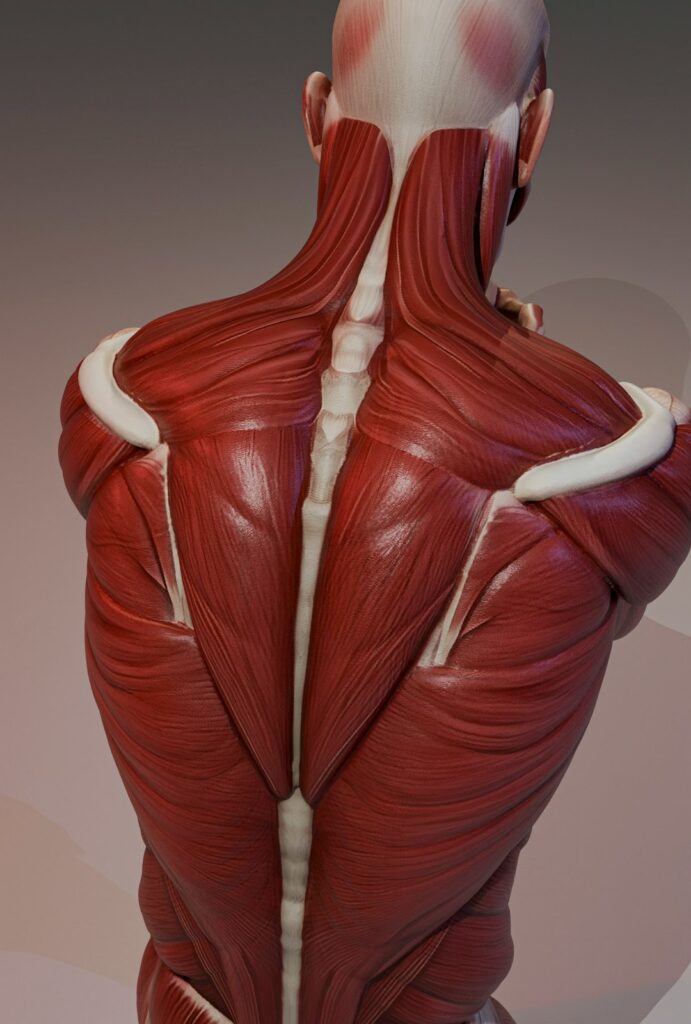
Muscle pain is often blamed on a “knot,” but that familiar tender spot can involve several different problems. A trigger point is a sensitive area within a tight band of muscle that may hurt when pressed and may also send pain to another location.
For residents in Shawangunk, seasonal activities such as snow removal, gardening, hiking, home maintenance, and prolonged driving can place repeated stress on the same muscles. Understanding how trigger points work can make it easier to choose sensible self-care and recognize when pain needs further evaluation.
What is a trigger point?
A trigger point is a highly sensitive spot in a muscle or the surrounding connective tissue. It may feel like a small knot, firm band, or unusually tense area. Pressing it can reproduce the familiar pain, and sometimes the discomfort is felt somewhere else.
For example, a trigger point in the upper shoulder muscles may contribute to pain near the neck, shoulder blade, or side of the head. A sensitive area in the buttock muscles may feel like hip or low-back pain.
Trigger points are commonly discussed as part of myofascial pain. “Myo” refers to muscle, while “fascia” is the thin connective tissue surrounding muscles and other structures.
How are trigger points different from ordinary muscle soreness?
Ordinary soreness usually follows unfamiliar or strenuous activity and gradually improves over several days. Trigger-point pain may be more localized, persistent, or connected to a specific movement or pressure point.
Common features include:
- A deep, aching, tight, or burning sensation
- A tender knot within a muscle
- Pain that spreads away from the sensitive spot
- Reduced flexibility or a feeling of restricted movement
- Symptoms that worsen after repetitive activity
- Muscle fatigue or weakness caused by guarding the painful area
A trigger point is not the same as a muscle tear, joint problem, nerve disorder, or inflammatory condition. Similar symptoms can come from many sources, so a tender knot alone does not establish a diagnosis.
What causes trigger points?
Trigger points can develop when a muscle is repeatedly overloaded, held in one position, or used with more force than it is prepared to handle. A sudden increase in activity can be enough to start the problem.
Examples include:
- Shoveling or lifting after being inactive
- Repeated bending, reaching, or carrying
- Long periods of sitting or driving
- Working overhead
- Sleeping in an awkward position
- Returning too quickly to exercise after an injury
- Stress-related muscle tightening
- Poor recovery after physically demanding work
Cold conditions may also make muscles feel stiffer, particularly during winter activities. The cold itself does not explain every case of muscle pain, but reduced movement, heavier clothing, and sudden exertion can contribute to tension.
Weakness in supporting muscles and limited movement at nearby joints may also cause other muscles to work harder. Over time, that extra workload can maintain a cycle of tightness and discomfort.
Why can a trigger point cause pain somewhere else?
Trigger points can produce referred pain. This means the source is in one area, while the brain interprets some of the pain in another nearby or connected region.
Referred pain can make muscle problems confusing. A person may feel pressure near the temple even though the contributing muscle is in the neck. Pain near the shoulder blade may relate to muscles along the upper back or ribs. Discomfort in the outer hip may involve muscles around the pelvis rather than the hip joint itself.
This pattern is one reason a careful examination considers posture, movement, strength, recent activity, and the full distribution of symptoms rather than focusing only on the most painful spot.
Can you safely treat a trigger point at home?
Many mild cases improve with a combination of relative rest and gentle movement. Complete inactivity can increase stiffness, while repeatedly forcing the painful area can prolong irritation.
Reasonable self-care may include:
- Temporarily reducing the activity that clearly worsens the pain
- Using comfortable heat for short periods to relax muscle tension
- Trying gentle range-of-motion exercises without forcing a sharp pain
- Taking brief movement breaks during sitting or driving
- Returning gradually to lifting, exercise, or outdoor work
- Adjusting the height, position, or technique of work equipment
- Using light massage rather than aggressive pressure

A tennis ball, massage tool, or foam roller may help some people, but pressure should remain tolerable. Stop if there is sharp pain, bruising, numbness, weakness, dizziness, or pain that travels strongly down an arm or leg.
Stretching is not automatically helpful. A gentle stretch may reduce tension, but forcing a stretch against a suspected strain can aggravate the tissue. The goal is comfortable movement, not maximum intensity.
What role can chiropractic assessment play?
A chiropractor may evaluate how the spine, joints, muscles, posture, and movement patterns interact. The assessment may include checking for restricted motion, muscle tenderness, changes in strength, and symptoms suggesting nerve involvement.
Care may involve education, movement-based exercises, soft-tissue techniques, joint mobilization, or recommendations for modifying activities. The appropriate approach depends on the suspected source of pain and the person’s medical history.
Trigger-point treatment should not be viewed as simply “breaking up” a knot. Relief is more likely to last when contributing factors—such as repetitive loading, limited mobility, poor lifting mechanics, or inadequate recovery—are also addressed.
Other healthcare professionals may be appropriate depending on the symptoms. Persistent pain may require evaluation for arthritis, tendon problems, nerve irritation, infection, medication effects, or other medical conditions.
When should muscle pain be evaluated promptly?
Muscle pain that is mild and steadily improving is often suitable for conservative self-care. Further evaluation is warranted when pain persists, repeatedly returns, limits normal activity, or does not match a clear change in workload.
Seek urgent medical attention for:
- Sudden, severe, or rapidly worsening pain
- Significant swelling, deformity, or bruising after an injury
- New numbness, weakness, loss of coordination, or difficulty walking
- A limb that becomes unusually cold, pale, or discolored
- Muscle pain with chest pressure, severe shortness of breath, fainting, or confusion
- Fever or feeling acutely ill along with a painful, red, or swollen area
- Severe pain after exertion with unusual weakness or dark urine
These warning signs can point to problems that are not ordinary trigger-point pain. Prompt evaluation is especially important after a major fall, vehicle collision, heavy lifting injury, or sudden change in neurological function.
How can trigger points be prevented from recurring?
Prevention usually depends on managing workload rather than avoiding movement. Increase demanding activities gradually, especially after the winter months or a period of inactivity. Warm up before strenuous work, use stable lifting positions, and divide heavy tasks into smaller loads.
For desk work and driving, change position regularly rather than trying to maintain one “perfect” posture for hours. During home projects or yard work, alternate tasks and take brief movement breaks before fatigue causes technique to deteriorate.
Sleep, hydration, regular physical activity, and adequate recovery also influence how muscles tolerate stress. If the same pain returns in the same location, that pattern deserves attention rather than repeated short-term treatment alone.
Understanding trigger points can help residents distinguish a manageable muscle complaint from a condition requiring broader evaluation. A painful knot may be part of the problem, but the most useful assessment also asks why that muscle became overloaded and whether another structure is contributing to the symptoms.
