
 See Our Latest Article on HelloNation
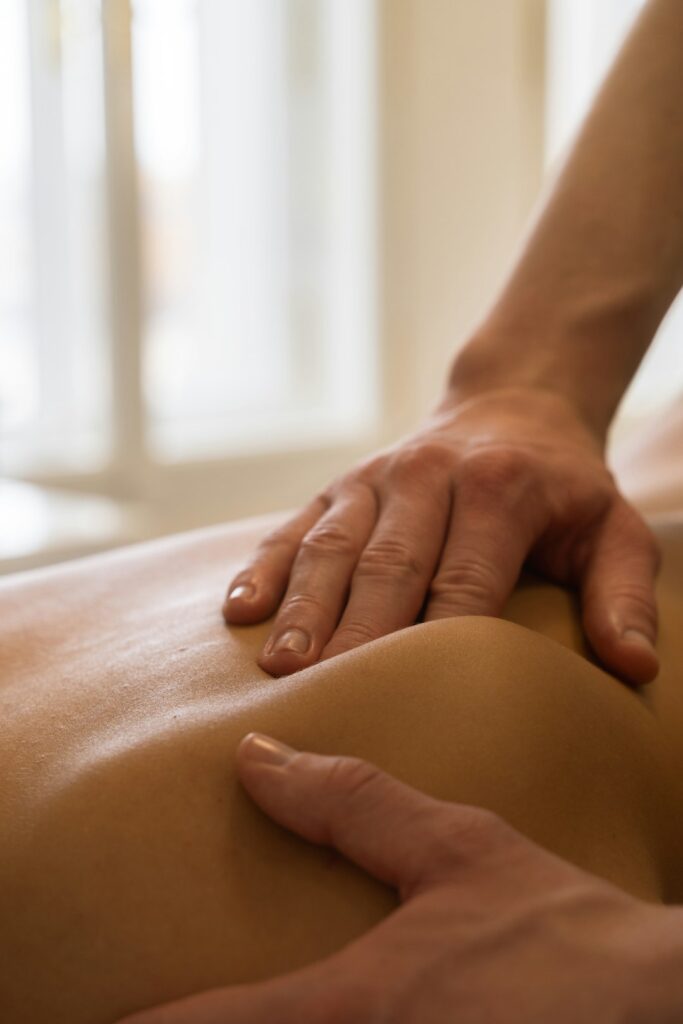
Residents of Shawangunk, NY often ask whether chiropractic care or massage therapy is more appropriate for back pain, neck tension, stiffness, or soreness after physical activity. The two approaches can overlap, but they are not the same. Chiropractic care generally focuses on joints, movement, and the musculoskeletal system, while massage therapy primarily addresses muscles and other soft tissues.
The right choice depends on the source of the problem, the symptoms involved, personal health history, and whether a broader evaluation is needed.
What is the main difference between chiropractic care and massage therapy?
Chiropractic care usually involves assessment of the spine and other joints, followed by hands-on treatment that may include spinal manipulation, mobilization, stretching, exercise guidance, or other conservative methods.
Massage therapy uses pressure, kneading, gliding, stretching, and related techniques to work on muscles, fascia, tendons, and other soft tissues. A massage session may aim to reduce muscle tension, improve comfort, support relaxation, or temporarily improve mobility.
A simple way to compare them is:
- Chiropractic care: More focused on joint movement, spinal mechanics, musculoskeletal assessment, and functional problems.
- Massage therapy: More focused on muscle tension, soft-tissue discomfort, relaxation, and local circulation.
- Both: May be used as part of a broader approach to managing certain types of back, neck, or movement-related pain.
Neither approach is appropriate for every condition, and neither should be expected to correct unrelated medical problems.
What does a chiropractic visit typically involve?
A chiropractic visit generally begins with questions about symptoms, health history, previous injuries, medications, and daily activities. The evaluation may include observing posture and movement, checking joint motion, and assessing areas related to the complaint.
Treatment may include:
- Spinal or joint manipulation
- Gentler joint mobilization
- Stretching or soft-tissue techniques
- Advice about movement, lifting, or workstation habits
- Exercises intended to support strength, flexibility, or coordination
Spinal manipulation involves a controlled force applied to a joint. It is different from simply stretching or moving a joint through its normal range. Some people experience short-term soreness, stiffness, or a headache afterward. Serious complications are rare, but a complete health history matters, particularly for people with certain neurological, vascular, bone, or bleeding-related conditions.
Chiropractic care may be considered for some types of mechanical low-back pain, neck pain, joint stiffness, and movement limitations. Evidence tends to show modest benefits for some musculoskeletal conditions rather than a universal solution for pain.
What does massage therapy typically involve?
Massage therapy concentrates on soft tissue. The practitioner may use lighter or deeper pressure depending on the person’s comfort, goals, and health status. Techniques can be applied to the back, shoulders, neck, hips, legs, arms, or other areas.
Massage may be useful when symptoms feel primarily muscular, such as:
- Tight shoulders after desk work
- Soreness following gardening, hiking, or other physical activity
- Muscle fatigue after household repairs or lifting
- Stress-related tension in the jaw, neck, or upper back
- General stiffness without signs of a serious injury
Massage can sometimes provide short-term relief for certain pain conditions. However, soreness that repeatedly returns may have contributing factors such as weakness, repetitive movement, poor sleep, an untreated injury, or an underlying medical condition. Relaxation during massage does not necessarily mean the original cause has been identified.
Which option is better for back or neck pain?
Neither treatment is automatically better. The more useful question is whether the symptoms appear to come mainly from muscles, joints, nerves, or another source.
Massage may be a reasonable consideration for broad muscle tightness, stress-related tension, or soreness that improves with warmth and gentle pressure. Chiropractic evaluation may be more relevant when there is restricted joint movement, a recurring mechanical pattern, or difficulty with specific motions.
Some people use both approaches at different times. For example, a person with recurring lower-back discomfort may benefit from an evaluation of movement and joint function while also using massage to address associated muscle tension. Combining treatments does not guarantee better results, and care should be coordinated when symptoms are persistent or complicated.
Pain traveling down an arm or leg, numbness, weakness, loss of coordination, fever, unexplained weight loss, significant swelling, or pain after major trauma deserves medical assessment rather than self-directed bodywork alone. New bowel or bladder problems associated with back pain require urgent attention.
How do local seasonal habits affect the choice?
Daily routines in the community can influence what kind of discomfort develops. Winter conditions may lead to more time indoors, shoveling, carrying firewood, navigating icy surfaces, or working in cold environments. These activities can strain the lower back, shoulders, wrists, and hips.
During warmer months, outdoor projects, yard work, hiking, cycling, and recreational activities may produce delayed muscle soreness. In those situations, massage may address temporary soft-tissue tightness, while an evaluation may be more appropriate if pain follows a fall, limits normal movement, or continues to worsen.

Home-based work patterns also matter. Long periods at a computer, driving, or using a phone can contribute to neck and upper-back tension. Changing positions, taking movement breaks, adjusting the height of work surfaces, and gradually building strength may be as important as hands-on treatment.
Are chiropractic care and massage therapy safe for everyone?
No treatment is risk-free, and health conditions should be disclosed before either approach begins.
Extra caution may be needed with:
- Recent fractures, surgery, or significant injury
- Severe osteoporosis or known bone fragility
- Blood-clotting disorders or use of blood-thinning medication
- Active infection or fever
- Cancer affecting the bones or spine
- Progressive numbness, weakness, or loss of balance
- Pregnancy or other conditions requiring modified positioning
- Unexplained swelling, bruising, or severe pain
Massage pressure should never be so intense that it causes sharp pain, numbness, dizziness, or lingering worsening of symptoms. Spinal manipulation should not be performed without considering relevant medical history and current symptoms.
How can someone decide between the two?
Start by describing the symptom accurately rather than choosing a treatment based only on the body part involved. “Shoulder pain,” for example, could reflect muscle tension, a joint problem, nerve irritation, or an injury.
Useful questions include:
- Did the discomfort begin after a specific event?
- Is the pain local, or does it travel into an arm or leg?
- Is there numbness, weakness, swelling, or fever?
- Does movement improve the symptoms or make them worse?
- Has the problem lasted more than a few days or kept returning?
- Are medications or health conditions likely to affect safety?
For mild, familiar muscle soreness, conservative self-care may be reasonable. Persistent, severe, unusual, or neurologic symptoms call for a qualified health evaluation before selecting hands-on treatment. The goal should be a clear understanding of the problem, realistic expectations, and a plan that supports safe movement rather than dependence on repeated passive care.
