
 See Our Latest Article on HelloNation
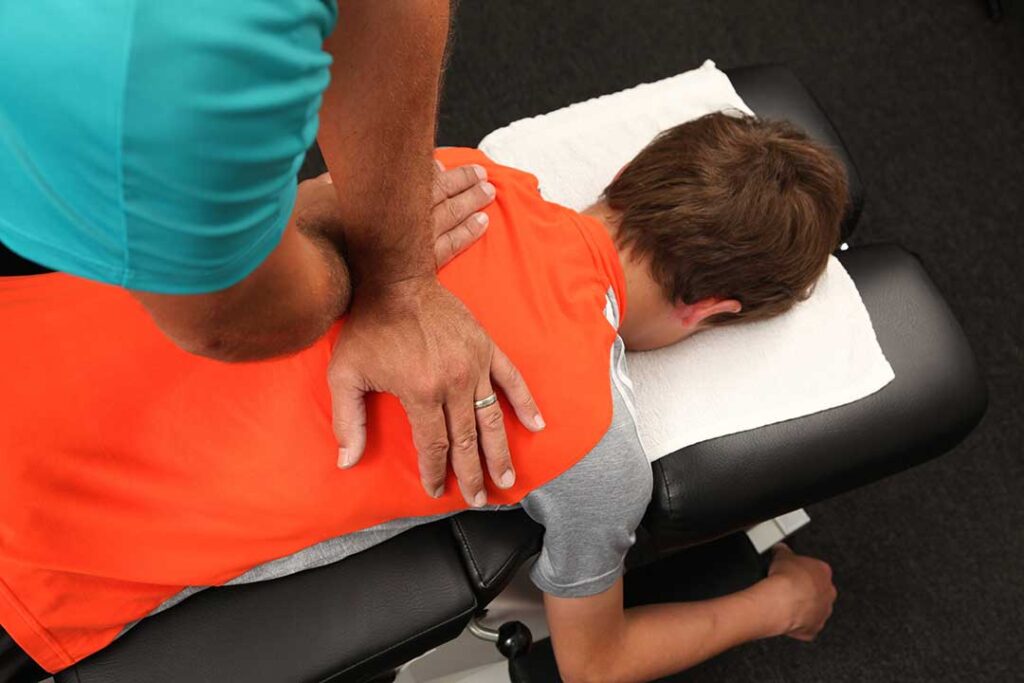
What Is Nerve Compression and Why Should Residents in Shawangunk, NY Be Aware?
Nerve compression occurs when surrounding tissues—such as bones, cartilage, muscles, or tendons—apply too much pressure to a nerve. Residents in Shawangunk, NY experience many of the same daily risks as other communities, such as repetitive activities, seasonal yard work, and winter slips, all of which can contribute to nerve irritation or compression. Recognizing symptoms early can help prevent chronic discomfort or further complications.
What Are the Typical Early Signs of Nerve Compression?
The most common early signs of nerve compression are subtle but recognizable:
- Tingling, numbness, or “pins and needles” sensations—especially in the arms, hands, legs, or feet
- Unusual weakness when gripping objects, walking, or standing
- Occasional burning sensations or unexplained aches along a limb
- Intermittent pain radiating from one area (like the neck or lower back) down into an arm or leg
These symptoms are often more noticeable during specific activities, after long periods of stillness, or during the night—a pattern many Shawangunk households notice more in colder months or after home maintenance.
How Can Daily Life in Shawangunk Increase the Risk?
In regions with a mix of older homes and outdoor activities, local habits and routines can influence nerve health. Home gardening, snow shoveling, carrying firewood, and working in cramped attic or basement spaces sometimes lead to repetitive motions or awkward postures.
Examples include:
- Prolonged use of laptops on couches or beds causing wrist or elbow compression
- Heavy lifting without proper back support contributing to lumbar nerve pressure
- Extended use of power tools, especially with hands vibrated or held in static positions
Children, adults, and seniors all face unique exposures—such as carrying backpacks or using handheld devices for long periods.
How Can You Tell the Difference Between Nerve Compression and Sore Muscles?
While both conditions may cause discomfort, nerve compression usually produces distinct symptoms:
- Persistent numbness or tingling that does not resolve with stretching or rest
- Pain that radiates along a defined path (e.g., down the arm or leg), rather than staying at a single muscle group
- Noticeable muscle weakness accompanying the sensation, rather than simple fatigue
Sore muscles typically feel better after movement and warmth, while nerve problems may persist or worsen overnight or after long periods of inactivity.
When Should Shawangunk Residents Worry About Nerve Compression Symptoms?
The presence of any persistent numbness, weakness, or unexplained loss of coordination should prompt caution—even if the symptoms come and go at first. Early attention can prevent further nerve damage, which is especially important for residents engaged in seasonal activities or labor-intensive projects common in the area. For instance, if you struggle to hold a snow shovel, button your shirt, or find your hand “falls asleep” during evening TV in front of the wood stove, these could be important warning signs.
What Are Common Myths or Misconceptions About Nerve Compression?
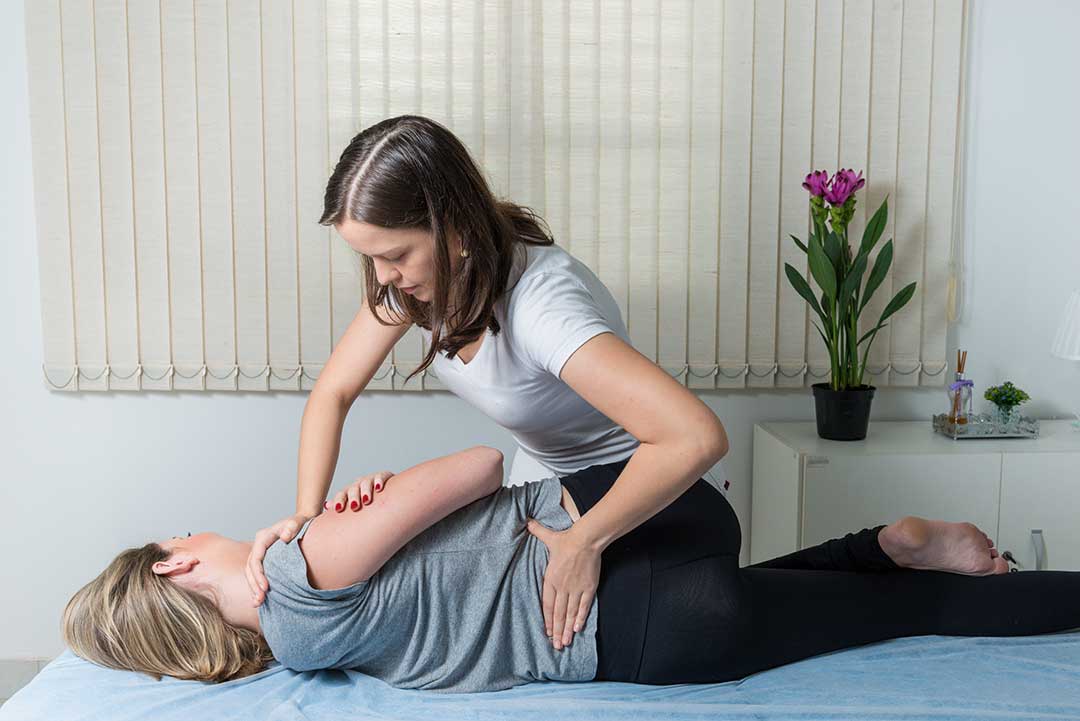
Some local residents may believe these sensations will go away on their own with time or chalk them up to age or “just getting cold.” However, intermittent numbness, especially if it follows an injury or a new repetitive activity, deserves careful attention. Another common myth is that only back or neck injuries cause nerve compression, but it can occur at the wrist (carpal tunnel), elbow, shoulder, or even the ankle (tarsal tunnel).
What Steps Can Local Households Take to Reduce Risk?
Practical prevention and early response are often effective:
- Take frequent “micro-breaks” during repetitive tasks like raking or typing
- Adjust workstations with supportive chairs, wrist rests, or properly positioned monitors
- Alternate hands and postures during household chores and outdoor work
- Stay aware of ergonomics while gardening, lifting, or carrying groceries
Creating reminders for stretching routines or changing positions is especially valuable during long winter months indoors. Wearing gloves when working outside or in cold conditions supports good circulation and reduces nerve sensitivity.
How Do Weather and Season Affect Nerve Symptoms in the Area?
In Shawangunk, cold weather constricts blood vessels and can slow nerve function, making early nerve compression symptoms feel worse or more noticeable. Some residents find symptoms flare up while clearing snow, stacking wood, or driving in winter months. Being mindful of glove use, layering, and avoiding prolonged fixed positions can decrease discomfort during the colder seasons.
Can Nerve Compression Affect Sleep?
Interrupted sleep due to numbness or tingling is a common but often overlooked indicator. Local adults sometimes wake up with “dead arm” from sleeping in one position or find they toss and turn with back pain. Trying different pillows, adjusting sleeping positions, and using supportive mattresses can help, but persistent night symptoms should not be ignored.
What Should You Watch for in Children and Older Adults?
Children may have difficulty describing tingling or weakness, instead showing irritability or reluctance to use a hand or arm. Older adults may attribute sensations to arthritis or circulation issues, overlooking potential nerve involvement. If a family member in Shawangunk seems to trip more, drop utensils, or avoid favored activities, it could signal early nerve compression.
When Might Self-Care Not Be Enough?
While many mild symptoms resolve with rest and changes in activity, signs like persistent weakness, visibly shrunken muscles, balance problems, or sudden sharp pain require more careful attention. For safety reasons, it’s especially important to ensure these symptoms are not overlooked in children, older adults, or anyone with a recent injury.
