
 See Our Latest Article on HelloNation
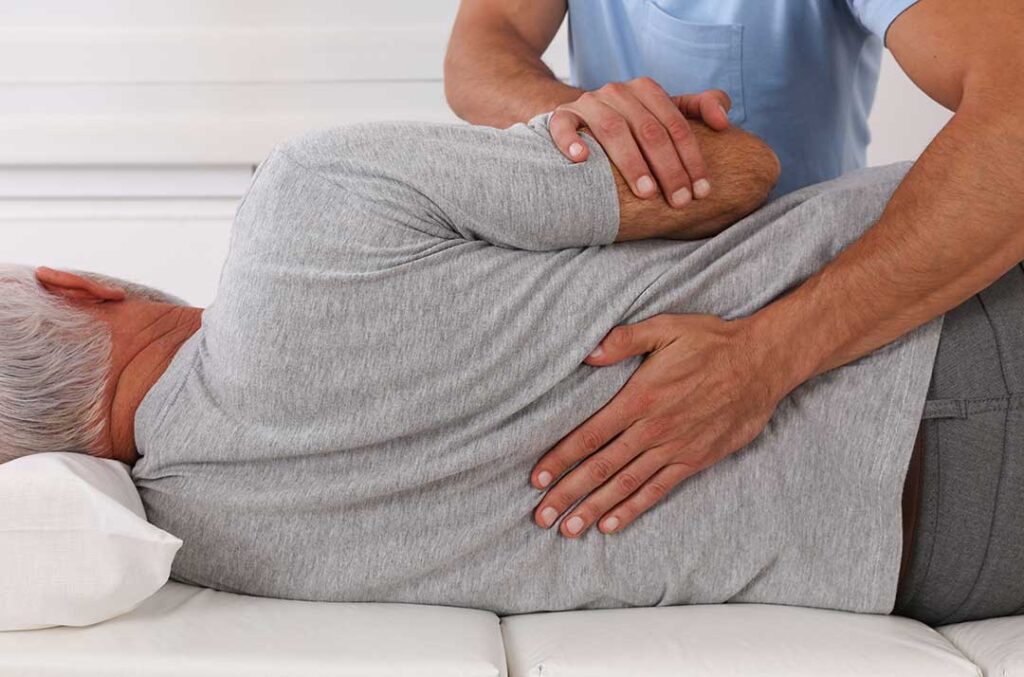
Premenstrual syndrome, or PMS, can cause cramps, bloating, breast tenderness, headaches, fatigue, sleep changes, and mood symptoms during the days before a period. Chiropractic adjustments may help some people feel less muscle tension or manage related back and pelvic discomfort, but current evidence does not show that spinal adjustments reliably treat PMS itself.
What is PMS, and how is it recognized?
PMS is a repeating pattern of physical, emotional, and behavioral symptoms that appears before menstruation and improves shortly after the period begins. Common symptoms include bloating, breast tenderness, headaches, fatigue, appetite changes, irritability, anxiety, low mood, trouble concentrating, and generalized aches. ([acog.org](https://www.acog.org/womens-health/faqs/Premenstrual-Syndrome?utm_source=openai))
A symptom pattern is more suggestive of PMS when it:
- Appears during the five days before a period
- Occurs for at least three menstrual cycles
- Improves within several days after bleeding begins
- Interferes with work, school, relationships, sleep, or normal activities
Keeping a daily record for two or three months can help show whether symptoms follow the menstrual cycle or occur throughout the month. This distinction matters because depression, anxiety, thyroid disease, irritable bowel syndrome, migraines, perimenopause, and other conditions can overlap with PMS. ([acog.org](https://www.acog.org/womens-health/faqs/Premenstrual-Syndrome?utm_source=openai))
Can a chiropractic adjustment directly treat PMS?
Probably not in a dependable or predictable way. Chiropractic adjustments are designed to affect joints, movement, and musculoskeletal pain. PMS, however, is associated with the body’s response to normal hormonal changes during the menstrual cycle.
Some people may notice temporary relief in related symptoms, such as low-back tightness, hip discomfort, muscle tension, or difficulty moving comfortably. That improvement may make the premenstrual days easier, but it should not be interpreted as proof that an adjustment corrected the hormonal cause of PMS.
Research specifically examining spinal manipulation for PMS is limited. A systematic review found that the evidence was very low quality and that the effects of chiropractic manipulation on PMS symptoms remained uncertain. ([pmc.ncbi.nlm.nih.gov](https://pmc.ncbi.nlm.nih.gov/articles/PMC2907788/?utm_source=openai))
This is different from saying that nobody can benefit. It means there is not enough reliable evidence to recommend chiropractic adjustments as a primary PMS treatment or to promise that they will reduce mood changes, bloating, breast tenderness, or hormone-related symptoms.
Which symptoms might improve indirectly?
An adjustment may be more relevant when the main problem is musculoskeletal discomfort that becomes more noticeable before menstruation. Examples include:
- Aching across the lower back
- Stiffness after sitting or sleeping
- Hip or pelvic-area muscle tension
- Neck or upper-back tension associated with headaches
- Reduced comfort during walking, lifting, or household tasks
These symptoms can occur alongside PMS, but they may also have another cause, such as prolonged sitting, changes in activity, poor sleep, an old injury, or strain from seasonal work around the home.
For residents in Shawangunk, seasonal routines may affect symptoms. Cold weather can lead to less outdoor activity and more time sitting indoors, while snow removal, carrying firewood, or other physically demanding tasks can aggravate the back and hips. If discomfort appears only before menstruation, tracking both cycle timing and physical activity can help separate PMS-related symptoms from an ordinary strain.
What treatments have better evidence for PMS?
Lifestyle measures are commonly used for mild to moderate PMS. Regular aerobic exercise may reduce fatigue and mood symptoms, while consistent sleep, stress-management practices, and balanced meals may also help. Some people benefit from reducing excess caffeine, alcohol, salt, and added sugar, although responses vary. ([acog.org](https://www.acog.org/womens-health/faqs/Premenstrual-Syndrome?utm_source=openai))
Evidence-based medical options may include:
- Nonsteroidal anti-inflammatory drugs, such as ibuprofen or naproxen, for pain when medically appropriate
- Hormonal contraception for some physical symptoms
- Selective serotonin reuptake inhibitors for significant mood symptoms or PMDD
- Cognitive behavioral therapy
- Calcium supplementation in appropriate amounts after discussing it with a medical clinician
- Other treatments selected according to the person’s symptoms and health history
The American College of Obstetricians and Gynecologists describes PMS treatment as dependent on symptom severity and supports a combination of self-care, lifestyle, psychological, nutritional, and medication-based approaches when appropriate. ([pubmed.ncbi.nlm.nih.gov](https://pubmed.ncbi.nlm.nih.gov/37973069/?utm_source=openai))
Supplements should not automatically be assumed safe. Calcium, magnesium, vitamin E, and herbal products can interact with medications or be unsuitable for certain health conditions.
Is chiropractic care safe during PMS?
For many generally healthy adults, spinal manipulation causes only short-term effects such as temporary soreness, stiffness, or an increase in discomfort. Serious complications are rare, but they have been reported. A careful health history is especially important for people with osteoporosis, bleeding disorders, inflammatory arthritis, recent trauma, neurological symptoms, or other conditions that may change the risk. ([nccih.nih.gov](https://www.nccih.nih.gov/health/spinal-manipulation-what-you-need-to-know?utm_source=openai))

Neck manipulation deserves particular caution because rare reports have associated it with cervical artery dissection. People should promptly seek emergency care for sudden severe headache or neck pain accompanied by weakness, numbness, trouble speaking, vision changes, dizziness, or loss of balance.
Pregnancy is another reason to discuss care with a medical clinician before receiving spinal manipulation. PMS symptoms should not be assumed if pregnancy is possible, particularly when pain or bleeding is unusual.
When should pelvic or menstrual symptoms be medically evaluated?
Chiropractic care should not replace evaluation of symptoms that could signal another condition. Medical assessment is warranted for:
- Severe or worsening pelvic pain
- Very heavy or irregular bleeding
- Pain that occurs throughout the month rather than only before menstruation
- Fainting, fever, vomiting, or unusual vaginal discharge
- Pain during sex, urination, or bowel movements
- New symptoms after pregnancy, childbirth, or menopause
- Mood symptoms that interfere substantially with daily life
Severe mood changes, hopelessness, or thoughts of self-harm require urgent mental health support. PMDD is more intense than typical PMS and can significantly affect relationships, work, and safety. ([acog.org](https://www.acog.org/womens-health/experts-and-stories/the-latest/what-i-wish-everyone-knew-about-premenstrual-dysphoric-disorder?utm_source=openai))
Painful periods may also be related to endometriosis, fibroids, adenomyosis, ovarian conditions, or other disorders. If pain is not improving with ordinary measures, identifying the cause is more useful than repeatedly treating the symptom alone. ([acog.org](https://www.acog.org/womens-health/faqs/dysmenorrhea-painful-periods?utm_source=openai))
How can someone make a practical decision?
A reasonable approach is to define the main symptom first. If the concern is back stiffness or muscle tension that predictably worsens before menstruation, a conservative musculoskeletal assessment may be relevant. If the main concerns are severe mood changes, bloating, breast pain, irregular bleeding, or disabling cramps, gynecologic evaluation is more directly aligned with the problem.
A two- or three-cycle diary can include:
- First and last day of bleeding
- Pain location and severity
- Mood, sleep, energy, appetite, and bowel symptoms
- Exercise, work demands, and unusually strenuous activity
- Medications or supplements
- Whether symptoms improve after menstruation begins
That record can help determine whether an adjustment is being used for a separate muscle or joint problem, as part of broader symptom management, or instead of care that is more appropriate for PMS itself.
